

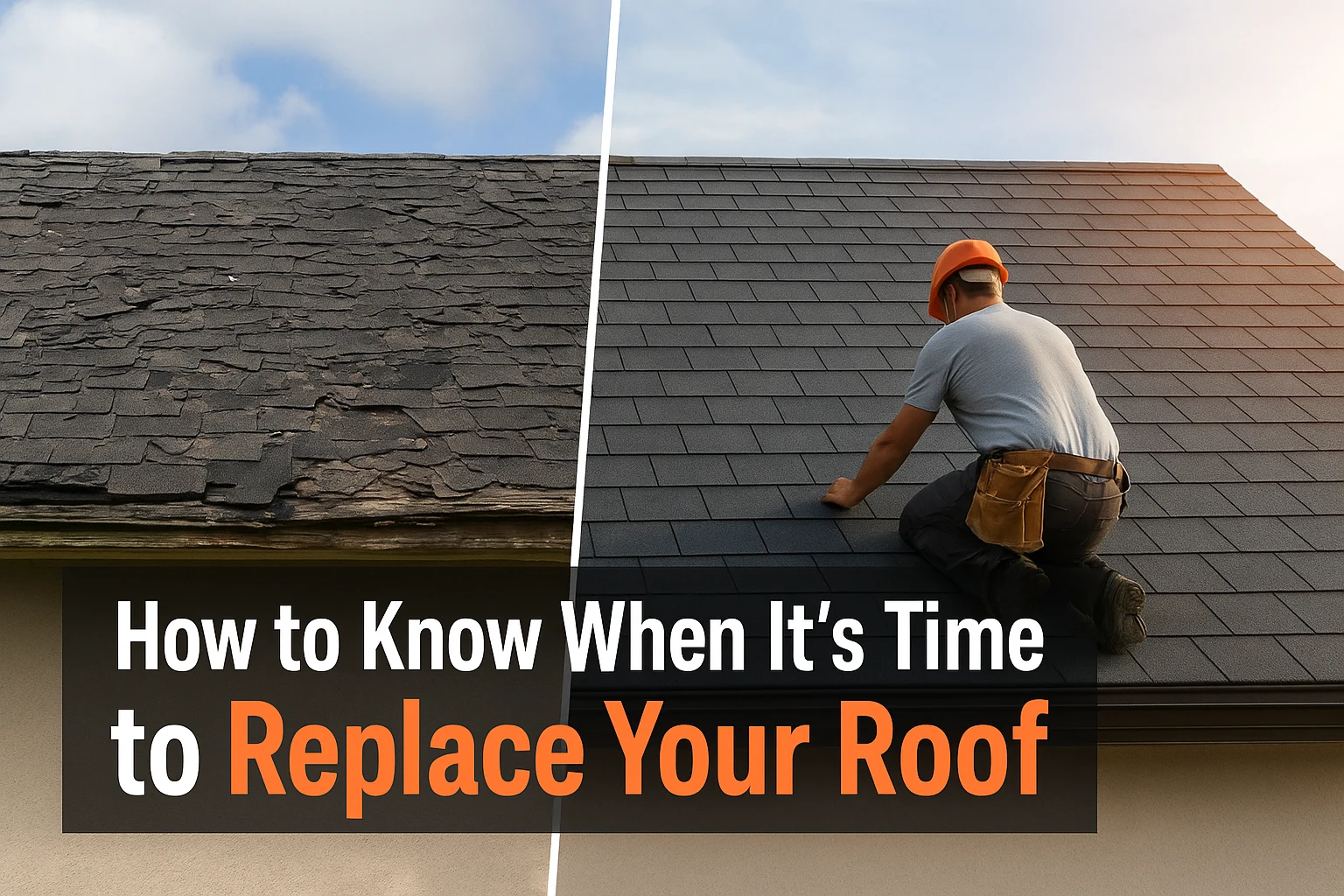
Introduction: Protecting Your Home’s Most Important Asset
Your roof is your home’s first line of defense against the elements, protecting everything beneath it from rain, wind, snow, and sun. Yet it’s also one of the most overlooked components of home maintenance until serious problems develop. Understanding when to replace your roof can save you thousands of dollars in water damage repairs, protect your family’s health and safety, and maintain your property value. This comprehensive guide will help you identify the warning signs that indicate your roof needs replacement and make informed decisions about this significant home investment.
Understanding Roof Lifespan: How Long Should Your Roof Last?
Different roofing materials have vastly different lifespans, and knowing what to expect from your specific roof type is the first step in determining whether replacement time is approaching.
Asphalt Shingle Roofs
Asphalt shingles remain the most popular roofing material in North America, covering approximately seventy-five percent of residential homes. Three-tab asphalt shingles typically last fifteen to twenty years under normal conditions, while architectural or dimensional shingles can last twenty-five to thirty years. Premium designer shingles may reach thirty to forty years with proper maintenance.
However, these estimates assume ideal conditions. Factors like climate, installation quality, ventilation, and maintenance significantly impact actual lifespan. Roofs in harsh climates with extreme temperature swings, high winds, or heavy precipitation may fail years earlier than their expected lifespan.
Other Common Roofing Materials
Metal roofs offer exceptional longevity, lasting forty to seventy years depending on the metal type. Steel and aluminum roofs typically last forty to fifty years, while copper and zinc roofs can exceed seventy years with minimal maintenance. Metal roofing represents a higher upfront investment but often proves more economical over the life of the home.
Clay and concrete tiles deliver impressive durability, lasting fifty to one hundred years when properly installed and maintained. These materials work particularly well in hot, dry climates and areas with minimal freeze-thaw cycles. However, their significant weight requires adequate structural support.
Wood shakes and shingles provide natural beauty but require more maintenance than other materials. Cedar shakes typically last twenty-five to thirty years, though this varies dramatically based on climate and maintenance. Regular treatments prevent rot, insect damage, and premature deterioration.
Slate roofing represents the ultimate in longevity, lasting seventy-five to two hundred years. However, slate’s extreme weight and specialized installation requirements make it among the most expensive roofing options. Few homes built in recent decades have the structural capacity to support slate without reinforcement.



Visual Warning Signs Your Roof Needs Replacement
Regular visual inspections help you catch roofing problems early, potentially allowing repairs rather than complete replacement. However, certain signs indicate that replacement is the better or only option.
Curling, Cupping, and Clawing Shingles
Shingle distortion indicates advanced deterioration that cannot be reversed. Curling occurs when shingle edges turn upward, creating gaps where water can penetrate. Cupping happens when shingle centers sink while edges remain higher. Clawing describes shingles where centers rise and edges lie flat.
These conditions develop when shingles lose flexibility due to age, excessive heat, or moisture damage. Once distortion begins, shingles can no longer seal properly, allowing water infiltration that accelerates deterioration. If more than twenty to thirty percent of your roof shows these symptoms, replacement typically makes more financial sense than extensive repairs.
Missing Shingles and Exposed Underlayment
Missing shingles leave underlayment or roof decking exposed to the weather. While replacing a few missing shingles is straightforward, widespread shingle loss indicates systemic problems. Wind damage that removes numerous shingles suggests inadequate installation or severely deteriorated adhesive strips.
When underlayment becomes visible, immediate action is essential. Underlayment provides temporary water resistance but deteriorates quickly under direct sun exposure. Extended exposure leads to roof deck damage and interior water infiltration, requiring expensive repairs beyond simple roof replacement.
Granule Loss and Bald Spots
Asphalt shingles use ceramic granules that protect underlying asphalt from UV damage, provide fire resistance, and give shingles their color. New shingles shed some granules initially, but excessive granule loss indicates advanced aging. Check gutters and downspouts for granule accumulation—more than a handful suggests significant deterioration.
Bald spots where granules have worn away expose the asphalt layer to direct sunlight, accelerating degradation. Shingles in this condition lose protective qualities and may fail within one to three years. Widespread granule loss affecting large roof sections indicates replacement is imminent.
Cracked and Broken Shingles
Individual cracked shingles can be replaced, but numerous cracks scattered across your roof signal widespread deterioration. Cracks develop when shingles lose flexibility with age, making them brittle and prone to breaking under foot traffic, falling branches, or thermal stress.
Cracks allow water penetration that damages the underlayment and decking. During freeze-thaw cycles, water enters cracks, freezes, expands, and enlarges damage. This cycle accelerates deterioration exponentially once it begins.
Moss, Algae, and Fungal Growth
While moss and algae growth primarily affect aesthetics, heavy infestations indicate moisture retention problems that accelerate roof deterioration. Moss roots can lift shingle edges, creating gaps for water infiltration. In freeze-thaw climates, moss holds moisture that freezes and damages shingles.
Dark streaks on shingle roofs typically indicate algae growth. While primarily cosmetic, algae can reduce shingle lifespan by retaining moisture and reducing reflectivity, increasing heat absorption. Heavy growth suggests inadequate drainage or ventilation issues that should be addressed.
Fungal growth indicates serious moisture problems within the roofing system. Fungi require sustained moisture to grow, suggesting water penetration through failed shingles, flashing, or ventilation issues. If fungal growth appears extensive, professional inspection is essential to assess underlying damage.
Interior Warning Signs of Roof Failure
Some of the most critical roof failure indicators appear inside your home rather than on the roof surface. These signs often indicate water penetration requiring immediate attention.
Water Stains on Ceilings and Walls
Water stains appear as discolored patches on ceilings or walls, often brown or yellowish. Fresh stains appear darker and may feel damp, while old stains look faded but indicate previous leaks that may recur. Even small stains deserve investigation, as visible damage represents only a fraction of actual water infiltration.
Water follows unpredictable paths through roof structures, potentially traveling considerable distances from entry points before appearing inside. A ceiling stain in one room may result from roof damage several feet away. Professional roof inspections use moisture meters and thermal imaging to trace leaks to their sources.
Multiple stains or stains that reappear after repairs suggest systemic roofing failure rather than isolated damage. At this point, comprehensive roof replacement often costs less than repeated repair attempts while providing long-term protection.
Sagging Roof Deck
A sagging roof deck indicates serious structural problems requiring immediate attention. Sagging suggests prolonged water infiltration has rotted the roof decking or underlying structural members. This condition compromises your home’s structural integrity and poses safety risks.
View your roof from various angles outside and from inside your attic. Any visible sagging, drooping, or uneven sections require professional inspection. Never ignore sagging roofs, as they may collapse unexpectedly, particularly under snow loads or during storms.
Sagging roofs typically require not just shingle replacement but also decking repair or replacement and potentially structural reinforcement. These extensive repairs often cost as much or more than complete roof replacement, making replacement the better choice when accompanied by other age-related deterioration.
Daylight Through Roof Boards
If you can see daylight through your roof boards when standing in your attic, your roof has serious problems. Light penetration indicates gaps in roof decking, failed shingles, or damaged flashing that allows water infiltration.
Check your attic during daylight hours with lights off. Walk the entire attic space, looking up at the underside of your roof decking. Any light penetration requires investigation. While small gaps might be repairable, numerous light spots suggest widespread deterioration requiring replacement.
Attic Moisture and Mold Growth
Excessive attic moisture indicates ventilation problems, roof leaks, or both. Healthy attics should feel dry and slightly cooler than outdoor temperatures during hot weather. Moisture, condensation on rafters, or musty odors suggest problems.
Mold growth on attic surfaces indicates sustained moisture problems. Mold requires consistent moisture to grow, meaning water regularly enters your attic through roof leaks or condensation. Beyond the roof damage implications, mold poses serious health risks requiring remediation.
Inadequate attic ventilation accelerates roof deterioration even without leaks. Trapped heat and moisture damage shingles from below while reducing their effective lifespan. When replacing roofs, ensure proper ventilation installation to protect your investment.
Interior Paint Peeling or Wallpaper Bubbling
When paint peels or wallpaper bubbles on upper-floor walls or ceilings without obvious interior moisture sources, suspect roof leaks. Water infiltration raises indoor humidity and directly damages wall surfaces. This symptom often appears before visible water stains develop.
Check areas near chimneys, skylights, valleys, and roof edges where leaks commonly develop. Address these issues promptly, as water damage extends beyond visible symptoms, potentially damaging insulation, electrical systems, and structural components.
Structural and Performance Issues
Beyond visible damage, certain performance issues and structural concerns indicate roof replacement needs.
Increased Energy Bills
Sudden or gradual increases in heating and cooling costs may indicate roof problems. Damaged or deteriorating roofs allow conditioned air to escape and outside air to enter, forcing HVAC systems to work harder. Missing or damaged insulation due to roof leaks exacerbates energy loss.
Thermal imaging inspections identify heat loss patterns indicating roof damage or inadequate insulation. These inspections provide detailed information about where problems exist, allowing targeted repairs or supporting replacement decisions.
While many factors affect energy costs, roofs play a significant role in home energy efficiency. Modern roofing materials and proper installation with adequate ventilation and insulation dramatically improve energy performance compared to old, failing roofs.
Storm Damage and Insurance Claims
Severe storms with high winds, hail, or heavy precipitation can damage roofs suddenly and extensively. After significant storms, inspect your roof or hire professionals to assess damage. Insurance policies often cover storm damage, but claims must be filed promptly.
Hail damage appears as dents, cracks, or granule loss concentrated in specific areas. Wind damage manifests as missing shingles, lifted shingle edges, or damaged flashing. Even if damage seems minor, professional inspection ensures you don’t miss problems that will worsen over time.
Document all storm damage with photographs before making repairs. Contact your insurance company promptly to understand coverage and claims processes. Many insurers send adjusters to assess damage and determine whether repairs or replacement are warranted.
Failed Flashing
Flashing seals roof penetrations and transitions, including chimneys, vent pipes, skylights, and valleys. Failed flashing represents one of the most common leak sources. Metal flashing can corrode, crack, or separate from surfaces. Caulk and sealants deteriorate with age and weather exposure.
Inspect flashing carefully during roof assessments. Look for rust, gaps, lifted edges, or missing sections. While flashing can be replaced without replacing the entire roof, extensive flashing failure throughout your roof suggests overall age-related deterioration, warranting complete replacement.
Proper flashing installation is critical during roof replacement. Ensure contractors use appropriate materials and techniques for all roof penetrations and transitions. Quality flashing installation prevents most roof leaks and extends the roof’s lifespan significantly.
Compromised Roof Valleys
Valleys where two roof planes meet channel substantial water volumes, making them vulnerable to leaks and damage. Valley damage appears as cracked, corroded, or missing valley material, water stains along valley lines inside your home, or shingle deterioration concentrated in valley areas.
Because valleys handle high water volumes, leaks develop quickly when valley integrity fails. Repairing individual valleys is possible, but if valleys show damage throughout your roof, replacement provides more comprehensive, long-lasting protection.
Modern valley installation methods using ice and water shield underlayment beneath valley metal or woven shingle valleys provide superior protection compared to older valley systems. Roof replacement provides opportunities to upgrade valley protection.
Age-Related Considerations
Even without obvious damage, roof age alone may warrant replacement consideration, particularly when combined with other factors.
Approaching or Exceeding Expected Lifespan
When your roof approaches or exceeds its expected lifespan, start planning for replacement regardless of apparent condition. A twenty-year-old asphalt shingle roof nearing the end of its expected twenty-five-year lifespan requires closer monitoring and budget planning.
Proactive replacement before major failures occur costs less than emergency replacement after extensive water damage develops. Planning allows you to research contractors, compare quotes, choose optimal timing for your schedule and weather, and budget appropriately without crisis pressure.
Consider your roof’s age in context with other factors. A seventeen-year-old roof showing minor deterioration may warrant replacement soon, while a similar-aged roof in excellent condition might last several more years with monitoring and minor repairs.
Previous Roof-Over Installation
If your current shingles were installed over existing shingles rather than on bare decking, your roof likely needs complete replacement soon. Building codes typically prohibit more than two shingle layers, but even two layers create problems.
Multiple shingle layers trap heat, accelerating upper-layer deterioration. The additional weight stresses roof structures. Most importantly, you cannot assess the underlying layer condition or the roof deck integrity without removal. Leaks in multi-layer roofs are difficult to locate and repair effectively.
When replacing roofs with multiple layers, complete removal of the deck is essential. This allows inspection and repair of underlying damage and provides clean surfaces for proper new roof installation.
Neighborhood Replacement Trends
If neighbors with similar homes built around the same time are replacing roofs, pay attention. This trend suggests your roof may be approaching the end of its lifespan as well. Homes in the same neighborhood typically experience similar weather conditions and may have been built with similar materials during the same period.
Neighborhood replacement trends may also present opportunities. Some roofing contractors offer discounts when multiple homeowners in proximity schedule work around the same time, reducing mobilization costs and improving efficiency.
When Repair Makes Sense Versus Replacement
Not every roof problem requires complete replacement. Understanding when repairs suffice and when replacement makes better financial sense helps you make informed decisions.
The Twenty Percent Rule
A common guideline suggests replacement when damage affects more than twenty percent of your roof. Below this threshold, repairs typically cost less than replacement. Above it, replacement often provides better value while addressing all current and emerging problems.
Calculate the percentage by estimating damaged square footage versus total roof area. Include all damaged areas, even if scattered across the roof. Remember that visible damage often indicates additional hidden deterioration.
Cost Analysis Considerations
Compare repair costs to replacement costs over time. If repairs cost thirty to fifty percent of replacement costs, particularly for older roofs, replacement may provide better value. Factor in the likelihood of additional repairs within the next few years.
Consider your home ownership timeline. If you plan to sell within three to five years, a new roof adds value and appeal to potential buyers. If you intend to stay long-term, replacement eliminates ongoing repair costs and concerns while providing decades of protection.
Isolated Damage Versus Systemic Problems
Isolated damage from fallen branches, displaced flashing, or localized storm damage typically warrants repair rather than replacement. These problems don’t indicate overall roof failure but rather specific incidents or component failures.
Systemic problems like widespread shingle deterioration, multiple leaks in different areas, or age-related failure affecting large roof sections suggest replacement provides more effective, economical long-term solutions.
Making the Replacement Decision
Once you’ve identified signs suggesting roof replacement, several steps help you move forward confidently.
Professional Roof Inspection
Always obtain professional roof inspections before committing to replacement. Experienced roofing professionals can assess damage accurately, identify underlying problems invisible from ground level, provide detailed written reports documenting roof condition, and offer realistic repair versus replacement recommendations.
Many reputable roofing companies offer free inspections and estimates. Obtain quotes from multiple contractors to compare recommendations, pricing, and approaches. Be wary of contractors who pressure immediate decisions or claim your roof needs replacement without a thorough inspection.
Understanding Replacement Costs
Roof replacement costs vary widely based on size, pitch, complexity, material choice, and location. National averages provide rough guidelines, but local quotes reflect your specific situation most accurately.
Asphalt shingle replacement typically costs five thousand to fifteen thousand dollars for average homes, while premium materials or complex roofs may exceed twenty thousand dollars. Metal roofs range from ten thousand to thirty thousand dollars. Tile and slate installations can exceed forty thousand dollars due to material costs and specialized installation requirements.
Obtain detailed written estimates itemizing materials, labor, permits, disposal, and any necessary repairs to underlying structures. Understand what warranties cover and their duration. Quality installation often matters more than material choice, so prioritize experienced, reputable contractors even if costs run slightly higher.
Timing Your Replacement
When possible, schedule roof replacement during optimal weather conditions. Most roofers prefer working during dry, moderate temperatures. Spring and fall often provide ideal conditions, while summer heat can be challenging, and winter installation may be impossible in cold climates.
However, don’t delay the necessary replacement waiting for perfect timing. Emergency replacement during less-than-ideal conditions costs more but prevents extensive water damage that could cost far more than premium scheduling pricing.
Consider your personal schedule as well. Roof replacement creates noise, disruption, and temporary vulnerability if the weather interrupts work. Plan accordingly if you work from home or have young children who nap during the day.
Conclusion: Protecting Your Home Investment
Your roof represents a critical component of your home’s protection and value. Understanding the warning signs that indicate replacement time helps you act proactively rather than reactively, saving money and stress while protecting your property.
Regular inspections, prompt repairs, and realistic assessment of your roof’s condition and age allow informed decisions about when replacement makes sense. While roof replacement represents a significant investment, it protects your home’s interior, maintains property value, and provides peace of mind knowing your family and possessions are protected from the elements.
Don’t wait for catastrophic failure to consider replacement. By the time leaks cause visible interior damage, water has typically caused extensive hidden deterioration to insulation, framing, and finishes that multiply repair costs many times over. Proactive replacement before major failures occur almost always costs less overall while avoiding the disruption and stress of emergency roof failure.
If you’ve noticed multiple warning signs described in this guide, schedule professional inspections soon. Most quality roofing contractors provide free assessments and detailed recommendations without obligation. Armed with professional opinions and the knowledge from this guide, you’ll be equipped to make confident decisions about protecting your home’s most important protective barrier.
Remember that your roof doesn’t just protect your house—it protects your home, your family, and your financial investment. Giving it the attention it deserves through regular monitoring and timely replacement ensures it continues serving these critical functions for decades to come.
In another related article, Top 10 Solar Myths Debunked: What Every Homeowner Should Know in 2025