
Debt relief companies negotiate with your creditors to reduce what you owe, often settling debts for 40-60% of the original balance. While they charge fees (typically 15-25% of enrolled debt), they can help you avoid bankruptcy and become debt-free in 2-4 years.
The Problem: When Debt Becomes Unmanageable
Struggling with credit card bills, medical debt, or personal loans? You’re not alone. Thirty-five percent of Americans list “pay off debt” as their top financial goal for 2025. If you’re behind on payments, facing collection calls, or can’t see a way out in five years even with aggressive budgeting, it’s time to explore debt relief.
What Debt Relief Companies Actually Do
Debt relief companies are for-profit businesses that work on your behalf to reduce or restructure your debts. Here’s how the process typically works:
Initial Consultation: The company reviews your financial situation, debt amounts, and eligibility. This is usually free.
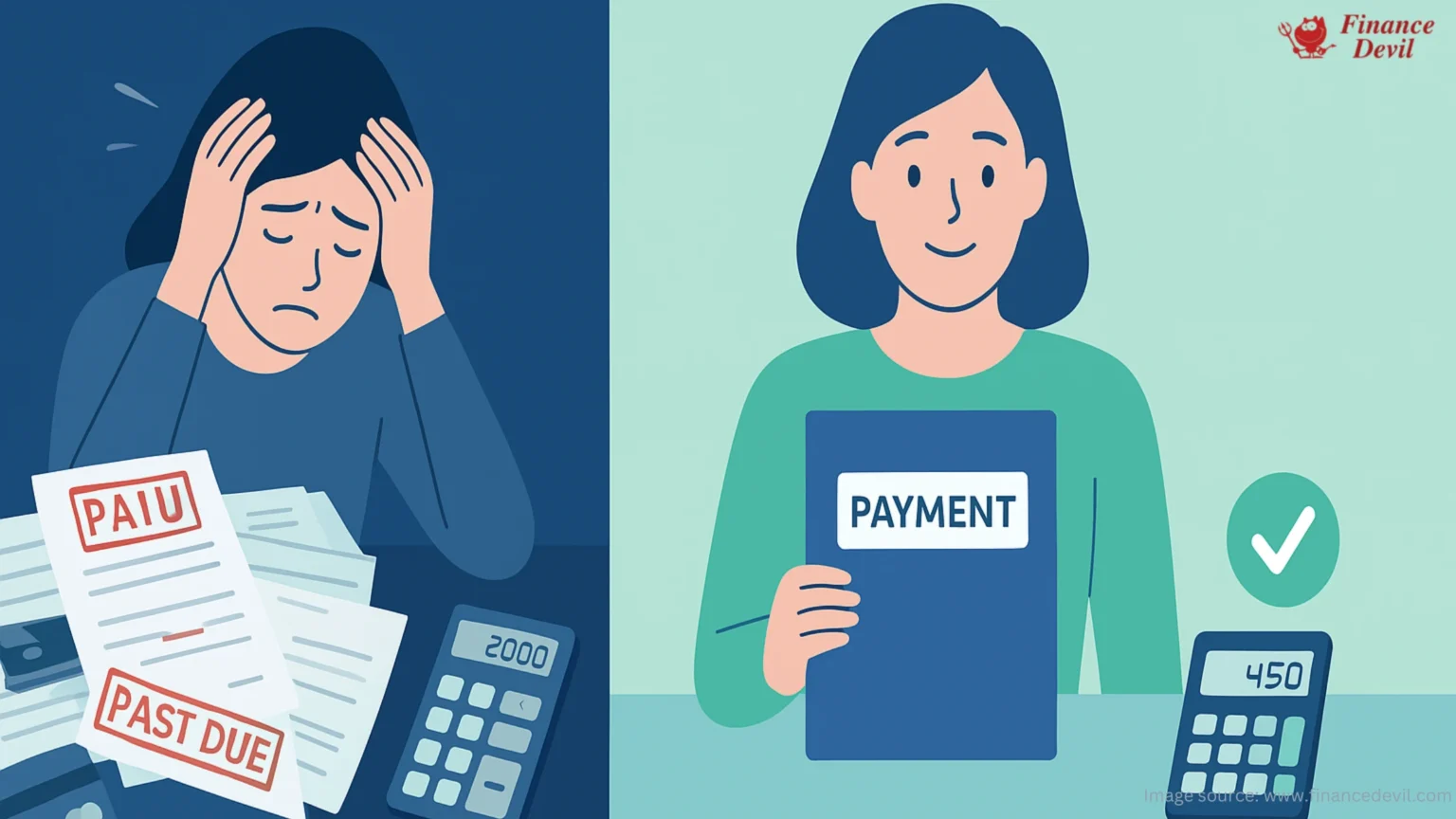
Stop Making Payments: Most programs ask you to stop paying creditors directly. Instead, you deposit money into a dedicated savings account.
Negotiation Phase: As your debts become delinquent (typically 3-6 months behind), the company negotiates settlements with creditors. Many creditors would rather recover some money than none.
Settlement & Payment: Once a creditor agrees to accept less than the full balance, you pay the reduced amount from your savings account.
Fee Collection: Companies charge their fee only after successfully settling each debt; upfront fees are illegal.

Cost Breakdown: What You’ll Actually Pay
Settlement Fees: 15-25% of the total enrolled debt (not the reduced amount)
Account Management Fees: $50-100/month for the dedicated savings account
Total Program Length: 24-48 months on average
Example: If you enroll with $30,000 in debt and settle for $15,000, you’d pay:
- $15,000 to creditors (50% reduction)
- $6,000-7,500 in fees (20-25% of $30,000)
- Total cost: $21,000-22,500 (vs. $30,000 original debt)
- Net savings: $7,500-9,000
The Real Benefits (and Trade-offs)
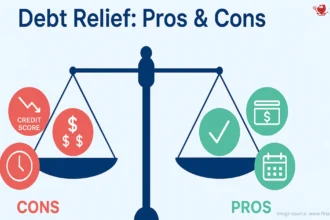
Advantages:
- Reduce total debt by 30-50%
- Avoid bankruptcy
- Stop collection calls and lawsuits
- Single monthly payment
- Become debt-free faster than minimum payments alone
Disadvantages:
- Credit score drops significantly (100-150 points) during the program
- Late fees and interest accumulate while negotiating
- Forgiven debt may be taxable income
- Not all creditors will negotiate
- Some accounts may face lawsuits during the process
Top Debt Relief Companies for 2025
1. Accredited Debt Relief
- Best For: First-time users
- Minimum Debt: $10,000
- BBB Rating: A+
- Pros: No upfront fees, free consultation, strong customer reviews
- Cons: Longer program timelines
2. Freedom Debt Relief
- Best For: High debt amounts
- Minimum Debt: $15,000
- BBB Rating: A+
- Pros: $20B+ in debt resolved, 7-day customer support
- Cons: Higher minimum debt requirement
3. National Debt Relief
- Best For: Transparency seekers
- Minimum Debt: $10,000
- BBB Rating: A+
- Pros: Online tracking portal, quick estimates
- Cons: Settlement fees on higher end (20-25%)
4. Money Management International (Nonprofit)
- Best For: Budget-conscious consumers
- Minimum Debt: Varies
- Pros: Up to 50% lower fees, no sales pressure, transparent
- Cons: Debt management plans (not settlement), repay full amounts
Comparison Table: Debt Relief vs. Alternatives
| Option | Cost | Credit Impact | Timeline | Best For |
| Debt Settlement | 15-25% fee | Severe (drops 100-150 pts) | 2-4 years | Those facing default/bankruptcy |
| Debt Management Plan | $25-50/month | Minimal | 3-5 years | Those who can repay full amounts |
| DIY Negotiation | Free | Moderate | Varies | Disciplined negotiators |
| Debt Consolidation Loan | 3-10% origination fee | Minimal | 3-7 years | Those with good credit (650+) |
| Bankruptcy (Chapter 7) | $1,000-3,000 attorney fees | Severe (stays 10 years) | 3-4 months | Complete financial collapse |
Who Should (and Shouldn’t) Use Debt Relief
Good Candidates:
- $10,000+ in unsecured debt
- Behind on payments or facing default
- Debt equals 50%+ of annual income
- Want to avoid bankruptcy
- Can commit to 2-4 year program
Not Recommended If:
- Debt is manageable with budgeting
- You have good credit and qualify for low-interest consolidation
- You’re still accumulating new debt
- Can’t afford monthly savings deposits
Frequently Asked Questions
Q: Will debt relief stop collection calls immediately?
A: Not immediately. Companies negotiate after accounts become delinquent. However, once settlements are reached, collections stop. Creditors may continue calling during the 3-6 month negotiation period.
Q: Is forgiven debt really taxable?
A: Yes. If a creditor forgives $5,000+ of debt, they’ll send you a 1099-C form. The IRS considers this taxable income. However, if you’re insolvent (debts exceed assets), you may qualify for an exclusion. Consult a tax professional.
Q: Can I pick which debts to enroll?
A: Yes, but most companies recommend enrolling all eligible unsecured debts for the best negotiating leverage. You can’t enroll secured debts (mortgages, car loans) or student loans.
Q: What happens if a creditor sues me during the program?
A: It’s possible. Debt relief companies can’t prevent lawsuits. If sued, they’ll typically prioritize settling that debt first. Some companies offer legal consultation as part of their service.
Q: How do I avoid debt relief scams?
A: Red flags include: upfront fees before settlements, guarantees to settle all debt, claims about “government programs,” and pressure to stop communicating with creditors. Verify companies through the BBB and check for AFCC/NFCC accreditation.
Q: Are nonprofit credit counselors better than debt relief companies?
A: Nonprofits charge lower fees but focus on debt management plans; you repay 100% of debt at reduced interest rates. Debt relief companies negotiate settlements for less than you owe. Choose based on your financial situation.
Take Control of Your Debt Today
Debt relief isn’t right for everyone, but if you’re drowning in payments and facing financial ruin, it could be your lifeline. The key is working with legitimate, accredited companies and understanding the trade-offs.
Ready to explore your options? Get a free debt relief consultation and savings estimate from top-rated providers. Most consultations take 10-15 minutes and come with no obligation.
In another related article, Accredited Debt Relief Review: Can You Really Cut Your Debt by 40%?