

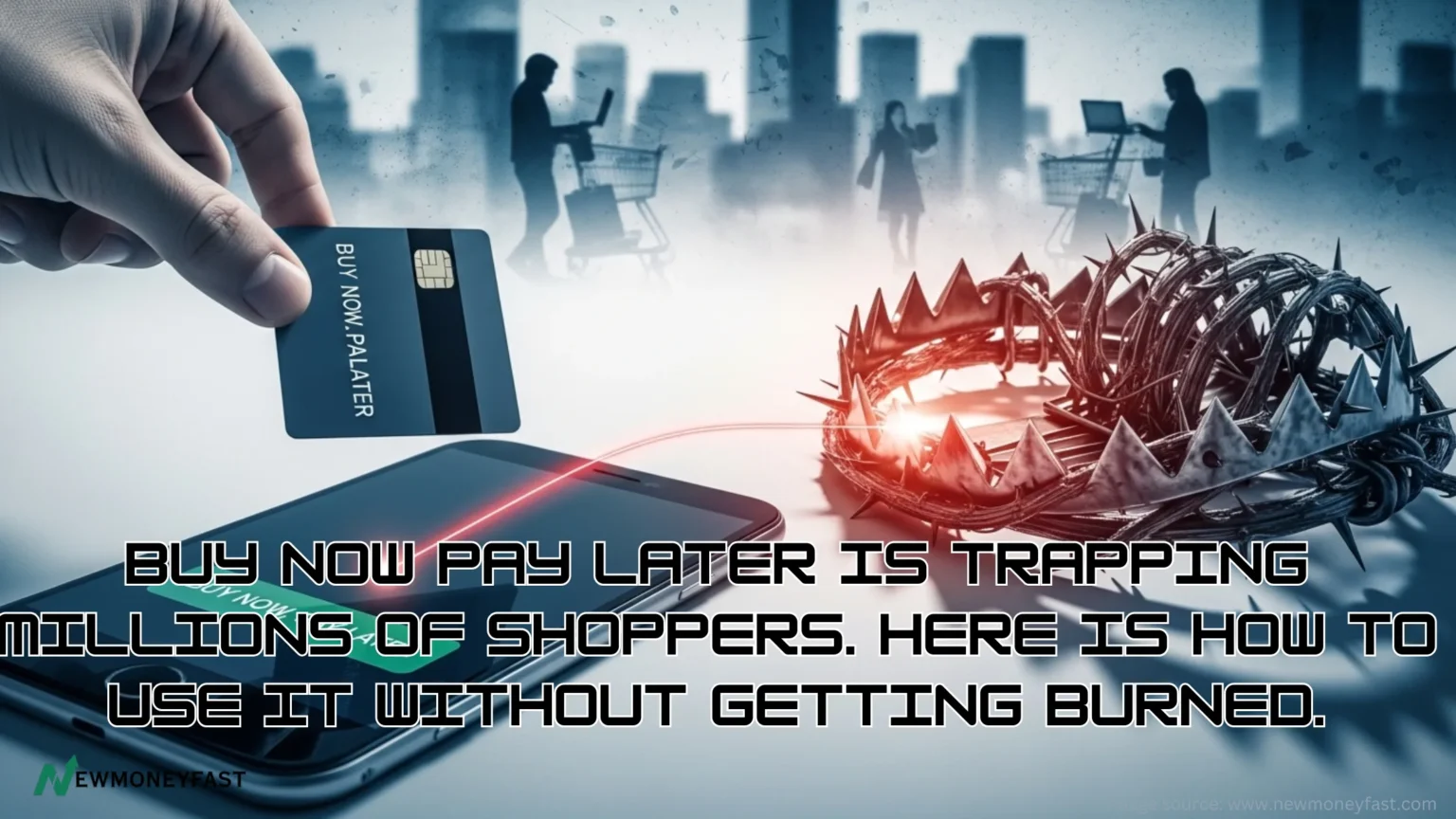
That “Pay in 4” button feels like a gift. A $200 jacket becomes four easy $50 payments. No interest, instant approval, zero guilt, right? Wrong. More than 41% of BNPL users missed at least one payment last year, and the debt pile is growing quietly in the background.
Buy Now Pay Later services like Klarna, Afterpay, and Affirm processed over $18.2 billion in U.S. holiday purchases in 2024 alone. But the tool that promises flexibility is becoming a debt trap for millions, especially younger shoppers who are juggling multiple plans at the same time. This guide will walk you through exactly how BNPL can go wrong and how to use it the right way when you do choose to click that button.
How Buy Now Pay Later Actually Works
BNPL splits your purchase into installments, usually four equal payments every two weeks. The first payment hits immediately; the rest auto-debit from your account. It feels painless. That is by design.
The catch? You are still taking on debt. Miss a payment and late fees kick in, your account can go to collections, and starting in late 2025, missed BNPL payments now affect your credit score through new FICO scoring models.
Some longer-term BNPL plans also carry interest rates as high as 35.99%, which is anything but the “interest-free” experience the apps advertise.
5 Warning Signs BNPL Is Becoming a Debt Trap
1. You Are Juggling Multiple Plans at Once
About 25% of BNPL users have more than one active loan at the same time. Each plan has its own due date, its own billing cycle, and its own late fee structure. The moment you stop tracking all of them, one slips.
Action: List every active plan, its balance, and its due date in your phone’s notes app. Today.
2. You Are Paying With a Credit Card
Some shoppers pay their BNPL installments using a credit card. That means you are borrowing money to pay back borrowed money. You are now paying two sets of interest and your risk of an overdraft doubles if automatic debits collide.

Action: Always link BNPL to a dedicated debit account, not a credit card.
3. You Are Using BNPL for Essentials
Groceries and utility bills showing up on BNPL plans is a red flag that your budget needs a bigger fix. Financing everyday necessities with short-term debt is a cycle that is very hard to break.
Action: BNPL should be reserved for planned, non-essential purchases you have already budgeted for.
4. You Feel Dread When Payment Notifications Arrive
If you get that sinking feeling every time the autopay reminder pops up, that is your wallet sending you a signal. Many users report the excitement of the purchase fading fast once the payment cycle begins.
Action: Before any BNPL purchase, picture your future self paying the final installment. Is it still worth it?
5. Your Total BNPL Payments Exceed 10% of Your Take-Home Pay
Stack enough “small” payments and you have a serious budget problem. When combined installments eat more than 10% of your monthly income, there is very little cushion left for real emergencies.
Action: Add up all active BNPL payments due this month and compare to your income. Anything over 10% means it’s time to pause and reassess.
BNPL vs. Credit Cards: Quick Comparison
| Feature | BNPL | Credit Card |
|---|---|---|
| Interest | Usually 0% (Pay in 4) but up to 35.99% for longer plans | Avg ~20% APR if you carry a balance |
| Credit Check | Soft or none | Hard check required |
| Consumer Protections | Weak (improving slowly) | Strong federal protections |
| Rewards | None | Cash back, points, miles |
| Credit Building | Limited; missed payments now hurt score | Builds credit history if paid on time |
| Dispute Rights | Limited | Clear chargeback process |
How to Use Buy Now Pay Later Without Getting Burned
Here are the rules that separate smart BNPL users from the ones drowning in stacked payments.
- Treat it like cash you already have. Only use BNPL for purchases you could pay for in full today if you had to. The installment plan is a cash-flow tool, not extra money.
- Stick to the Pay-in-4 model. Longer plans almost always charge interest. Six weeks of free financing is manageable. Six months with 25% APR is a different story.
- Use a dedicated checking account. Set up a secondary account and pre-load it with the total purchase amount. Let autopay pull from there, never from your primary account.
- Track every open plan. Keep a simple note or spreadsheet with the plan name, total owed, payment amount, and due date. Lauren Saunders of the National Consumer Law Center warns: “You don’t get a simple, clear statement showing how much credit you’ve taken out when your payments are due.”
- Never stack more than two plans at once. The more plans you juggle, the harder it is to track, and the more likely you are to overdraw your account when multiple autopays hit on the same day.
- Treat it as debt, not a perk. BNPL approval is easy. As Consumer Reports investigative reporter Lisa Gill explains, a quick approval does not mean the lender thinks you can repay it. It just means they are willing to take you at your word.
| BNPL Safety ScorecardTotal active BNPL plans allowed: 2 maxMonthly BNPL payments vs. income: Under 10%Best plan type: Pay-in-4 only (zero interest)Payment account: Dedicated secondary debit accountDifficulty level: Easy once you set it upBest for: Planned, non-essential purchases you have already budgeted for |
| Visual Content Suggestions for Design TeamInfographic: “BNPL Danger Zones” showing the 5 red flags as a visual checklistSide-by-side comparison chart: BNPL vs. credit card across 6 key categories (table above)Illustrated flow diagram: “Safe BNPL Setup” showing dedicated account system and payment trackingStat callout card for social: “41% of BNPL users missed a payment last year” with New Money Fast branding |
The BNPL Audit Challenge
Here is your challenge for this week: open your bank statement and highlight every BNPL autopay from the last 60 days. Add them up. Now ask yourself honestly, if those had been one lump sum, would you have made those purchases?
If the answer is no for at least one of them, you just identified a money leak. Drop your total in the comments and let the community know what you found.
Frequently Asked Questions
Is buy now pay later always interest-free?
Not always. The standard Pay-in-4 model is usually interest-free. But longer installment plans from the same providers often charge interest, sometimes up to 35.99% APR. Always read the terms before choosing a plan longer than six weeks.
Can BNPL hurt my credit score?
Yes. As of late 2025, new FICO scoring models now incorporate BNPL repayment data. Missed payments can hurt your score just like a late credit card bill. On the flip side, consistent on-time payments may help build credit history.
How many BNPL plans can I safely have at once?
Ideally one, maximum two. With every additional plan, the risk of missing a payment or overdrawing your account multiplies. Keep it simple and keep it small.
What happens if I miss a BNPL payment?
You may get hit with a late fee immediately. If the debt goes unpaid long enough, it can be sent to a collection agency, which then reports to credit bureaus. That collection account can damage your credit score for years.
Is BNPL better than a credit card?
For a single, planned, short-term purchase with no interest, BNPL can work fine. But credit cards offer stronger consumer protections, dispute rights, cash-back rewards, and credit-building potential. For everyday flexibility, a credit card beats BNPL in almost every category.
| Take Control of Your Money TodayStop letting small payments add up to a big problem. Build a budget that tracks every dollar automatically.Compare the best free budgeting apps right now at New Money Fast |
Sources
- Motley Fool Money – 2025 Buy Now, Pay Later Trends Report
- Richmond Federal Reserve – Buy Now, Pay Later: Market Impact and Policy Considerations (2025)
- NPR – Should you use buy now, pay later? Experts share 4 tips to know (2025)
- The Conversation – Buy Now, Pay Later: How to Avoid a Debt Hangover
- Kansas City Federal Reserve – Financial Constraints Among Buy Now, Pay Later Users
- Morgan Stanley – Buy Now, Pay Later Growth Raises Concerns (2025)