
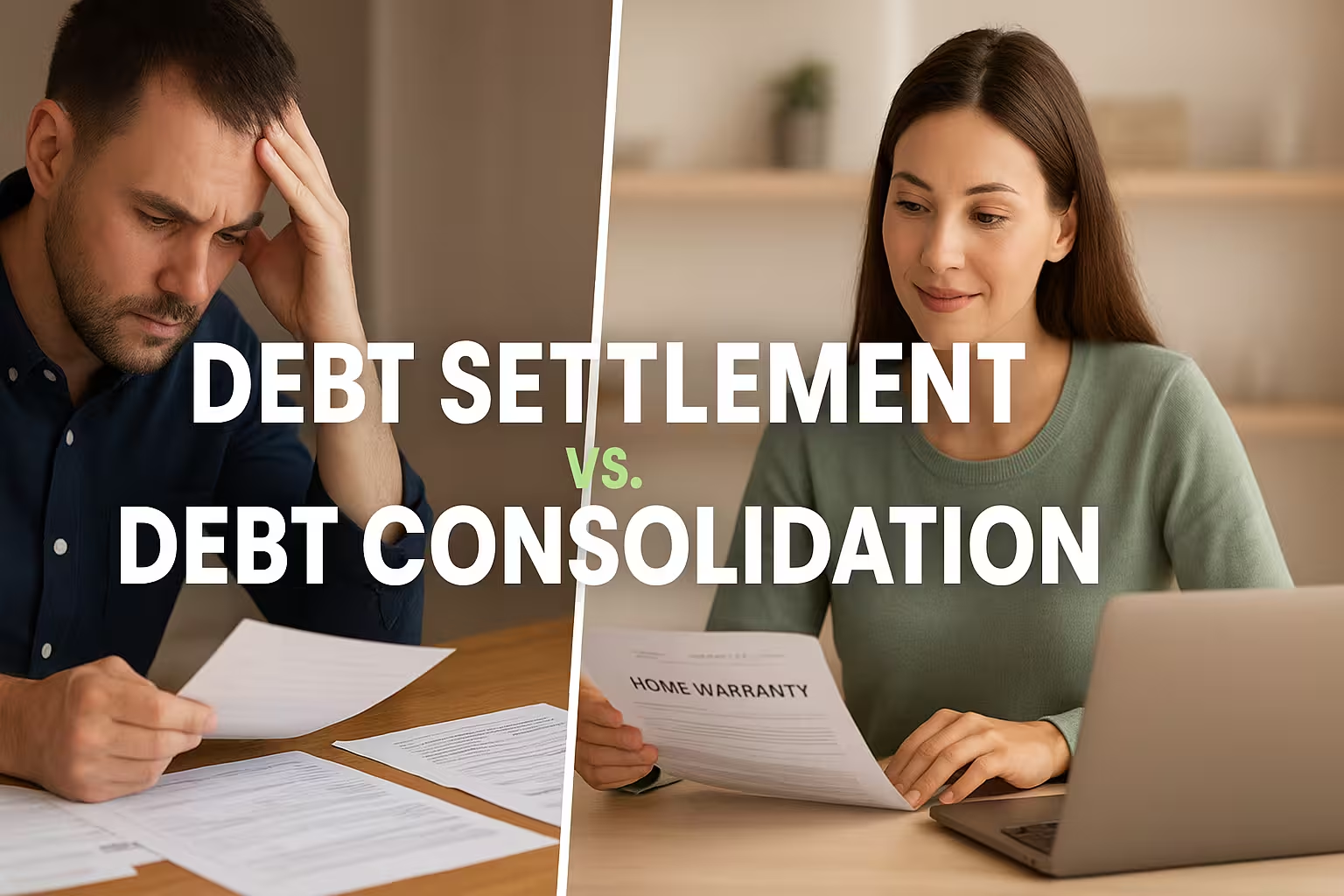
If you’re struggling with multiple debts, two of the most common relief options are debt settlement and debt consolidation. Both can reduce financial pressure, but they work very differently and choosing the wrong one can cost you money, credit score points, and years of progress.
This guide breaks down the differences, costs, risks, benefits, and who each option is best for. By the end, you’ll know which strategy fits your situation and how to get started.
What Is Debt Consolidation?
Debt consolidation combines multiple high-interest debts into one new loan or credit product usually with a lower interest rate and a single monthly payment.
How It Works
- You apply for a debt consolidation loan, or
- You transfer balances to a 0% APR credit card, or
- You enroll in a debt management plan (DMP) through a credit counseling agency.
Your debts remain fully owed.
You don’t reduce your principal balance you’re just restructuring the debt to make it easier to manage.
Pros of Debt Consolidation
- Lower interest rates than credit cards
- Single monthly payment instead of 5–10 payments
- Predictable payoff timeline (often 24–60 months)
- Little or no damage to your credit score
- Keeps accounts in good standing if used correctly
Cons of Debt Consolidation
- Requires a decent credit score to qualify
- Some loans have origination fees (1%–8%)
- Doesn’t reduce what you owe
- Late payments can still hurt your credit
- Can fail if you continue using credit cards while paying off the loan
Best For
- People with fair to good credit
- Those who want structure over negotiation
- Anyone who wants fast approval and immediate payment relief
- Borrowers who don’t want credit score damage
What Is Debt Settlement?
Debt settlement involves negotiating with creditors to accept less than what you owe sometimes 40% to 60% of your balance.
How It Works
- You stop paying your creditors
- You pay monthly into a settlement account
- A debt settlement company negotiates lump-sum settlements
- You settle debts one by one over 24–48 months
You reduce the amount you owe but with consequences.
Pros of Debt Settlement
- Can reduce your balance by 30%–60%
- Helpful if you’re already behind on payments
- Lower monthly payments than consolidation
- Avoids bankruptcy for many borrowers
Cons of Debt Settlement
- Damages your credit score during the process
- Creditors may refuse to settle
- You may face collection calls or lawsuits
- Potential taxable debt forgiveness
- Settlement companies charge 15%–25% of enrolled debt
- Settlements aren’t guaranteed
Best For
- People who are already late or unable to keep up with payments
- Borrowers facing collections or charge-offs
- Anyone considering bankruptcy but wanting another option first
Debt Settlement vs. Debt Consolidation: Key Differences
| Feature | Debt Consolidation | Debt Settlement |
| Goal | Lower interest + simplify payments | Reduce the amount you owe |
| Credit Impact | Mild or none | Significant negative impact |
| Time to Complete | 2–5 years | 2–4 years |
| Savings Potential | Moderate (interest only) | High (principal reduction) |
| Fees | Low–moderate | High (15–25%) |
| Risk Level | Low | High |
| Requires Good Credit? | Yes | No |
| Stops Collections? | No | Sometimes |
Which One Is Better for You?
Here’s a quick decision guide:
Choose Debt Consolidation If…
- You have steady income
- You’re not behind on payments
- You want lower interest, not negotiations
- You want to protect your credit score
- You can qualify for a lower-rate loan
Ideal for:
People with credit card debt between $5,000–$30,000 who want structure, not risk.

Choose Debt Settlement If…
- You’re behind or about to fall behind on payments
- You can’t afford your minimums
- Your credit score is already damaged
- You’re considering bankruptcy
- You want the lowest possible payoff amount
Ideal for:
People with $10,000–$100,000+ in unsecured debt who need major relief, not just lower interest.
Costs: What You’ll Pay
Debt Consolidation Costs
- Loan interest: 6%–20% depending on credit
- Origination fees: 1%–8%
- Balance transfer fee (if using a card): 3%–5%
Debt Settlement Costs
- Settlement company fee: 15%–25% of enrolled debt
- Possible late fees / interest during default period
- Possible IRS tax on forgiven debt
Impact on Your Credit Score
Consolidation
- Can improve credit if on-time payments continue
- Maintains account status
- Lower credit utilization helps your score
Settlement
- Accounts typically become delinquent
- Score drops during negotiation
- Settled accounts appear as “settled for less”
However: settling debt can eventually help you rebuild faster than staying delinquent forever.
When Neither Option Is Best
If you have no income, are being sued, or have extremely high debt relative to income, Chapter 7 bankruptcy may be the only realistic reset.
Some borrowers use:
- Chapter 7 for a full wipe
- Chapter 13 for a structured repayment plan
How to Choose the Right Path (Simple Checklist)
Check the statements that apply to you:
If most of these are true → Choose Consolidation
- I can make monthly payments
- My credit score is 620+
- I’m not behind on my accounts
- I want lower interest, not negotiations
- I want to avoid credit damage
If most of these are true: Choose Settlement
- I’m behind or about to fall behind
- I cannot afford my minimum payments
- I’m facing collections or charge-offs
- I’d prefer reducing the balance
- My credit score is already low
If you’re unsure which route fits your situation, compare both options before committing.
You can check eligible debt consolidation loan offers or pre-qualify for debt settlement programs in minutes with no impact on your credit.
The right debt strategy can save you thousands and bring your finances under control faster.
In another related article, Struggling With Debt in 2025? Here’s How Thousands Are Reducing What They Owe by 40–60%