


Most homeowners can install solar panels in 8-12 weeks and save an average of $9,000 with the federal tax credit but only if your system is installed by December 31, 2025. Here’s exactly what happens from consultation to flip-the-switch, so you know what to expect and how to move fast.
Why Timing Matters Right Now
The 30% federal solar tax credit expires completely after 2025. For the average $29,000 system, that’s $9,000 in savings you’ll lose forever. With typical installations taking 2-3 months and high demand expected before year-end, starting now is critical to meeting the deadline.
The 5-Step Solar Installation Process
Step 1: Site Assessment & System Design (Week 1-2)
A solar expert visits your home to evaluate your roof’s condition, angle, and shading. They’ll measure your energy needs based on your electric bills and design a custom system. Many installers now offer virtual assessments using satellite imagery, which can save 1-2 weeks.
What you’ll get: A detailed proposal showing system size, expected savings, and equipment recommendations.
Step 2: Permits & Paperwork (Week 3-5)
Your installer handles the heavy lifting here: building permits, utility applications, and incentive paperwork. This step varies by location; some cities approve permits in days, others take weeks.
Pro tip: Have your property deed, recent electric bills, and electrical panel photos ready to speed things up.
Step 3: Equipment Ordering (Week 3-5)
Once permits are filed, your installer orders solar panels, inverters, and mounting equipment. With current supply chain pressures, equipment availability can make or break your timeline.
Fast-track strategy: Ask about equipment availability before signing. Some installers stock popular brands, cutting lead times significantly.


Step 4: Installation Day (Week 6-8)
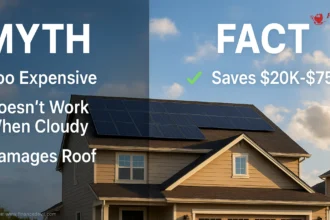
The actual installation takes just 1-3 days. Crews will mount racking to your roof, install panels, wire the system, and connect your inverter. You’ll see dramatic progress quickly; most systems are physically complete in a single day.
What to expect: Noise, roof activity, and temporary power shutoffs. Clear your driveway and provide easy access to your electrical panel.
Step 5: Inspection & Connection (Week 9-12)
Your local government inspects the installation to verify it meets electrical codes. Then your utility gives final approval and connects your system to the grid. This step typically takes 2-4 weeks but may stretch longer as the tax credit deadline approaches.
The finish line: Once approved, you flip the switch and start generating clean energy and savings.
What Solar Installation Costs (And What You’ll Save)
- Average system cost: $29,000 before incentives
- After 30% tax credit: $20,300 (for 2025 installations)
- Monthly electric bill savings: $100-$200 typical
- Payback period: 6-10 years in most states
- 25-year savings: $25,000-$60,000 depending on location and energy use
Many homeowners pay $0 down with solar loans, making monthly payments lower than their old electric bill, meaning immediate savings from day one.
Can You DIY Solar Installation?
Technically yes, but we don’t recommend it. Professional installers complete the job faster, handle all permits and inspections, provide warranties, and most importantly, meet the tight year-end deadline. DIY projects often face additional permitting scrutiny and longer approval times, which could cost you the $9,000 tax credit.
Red Flags to Avoid
- Installers who can’t commit to a December 2025 completion date
- Quotes that seem too good to be true (watch for hidden costs)
- Pressure to sign immediately without comparing options
- Vague equipment specifications or no mention of warranties
Your Next Step: Get Started Now
To claim the full tax credit, you need to start the process immediately. Here’s what to do today:
- Calculate your potential savings using your electric bills from the past 12 months
- Request quotes from 3-4 local installers and ask specifically about year-end availability
- Compare equipment, warranties, and timelines, not just price
- Move quickly on the best offer that guarantees installation by December 31, 2025
Ready to see your savings? Get 3 Free Solar Quotes Today from pre-screened local installers who can meet the tax credit deadline. Most homeowners receive personalized quotes within 24 hours.
FAQ: Quick Answers
Q: What if my installer misses the deadline?
A: You may lose the tax credit entirely. Choose installers with proven track records and get timeline commitments in writing.
Q: Do I need a new roof first?
A: If your roof has 10+ years of life left, you’re good to go. Otherwise, replace it first; removing panels to reroof later costs $2,000-$5,000.
Q: What happens if it’s cloudy?
A: Panels still generate power on cloudy days, just less. Your system is sized based on your location’s average sun exposure.
Q: Can I add battery backup later?
A: Yes, but it’s cheaper to install batteries during the initial installation. Ask your installer about battery-ready systems.
In another related article, Top 10 Solar Myths Debunked: What Every Homeowner Should Know in 2025