
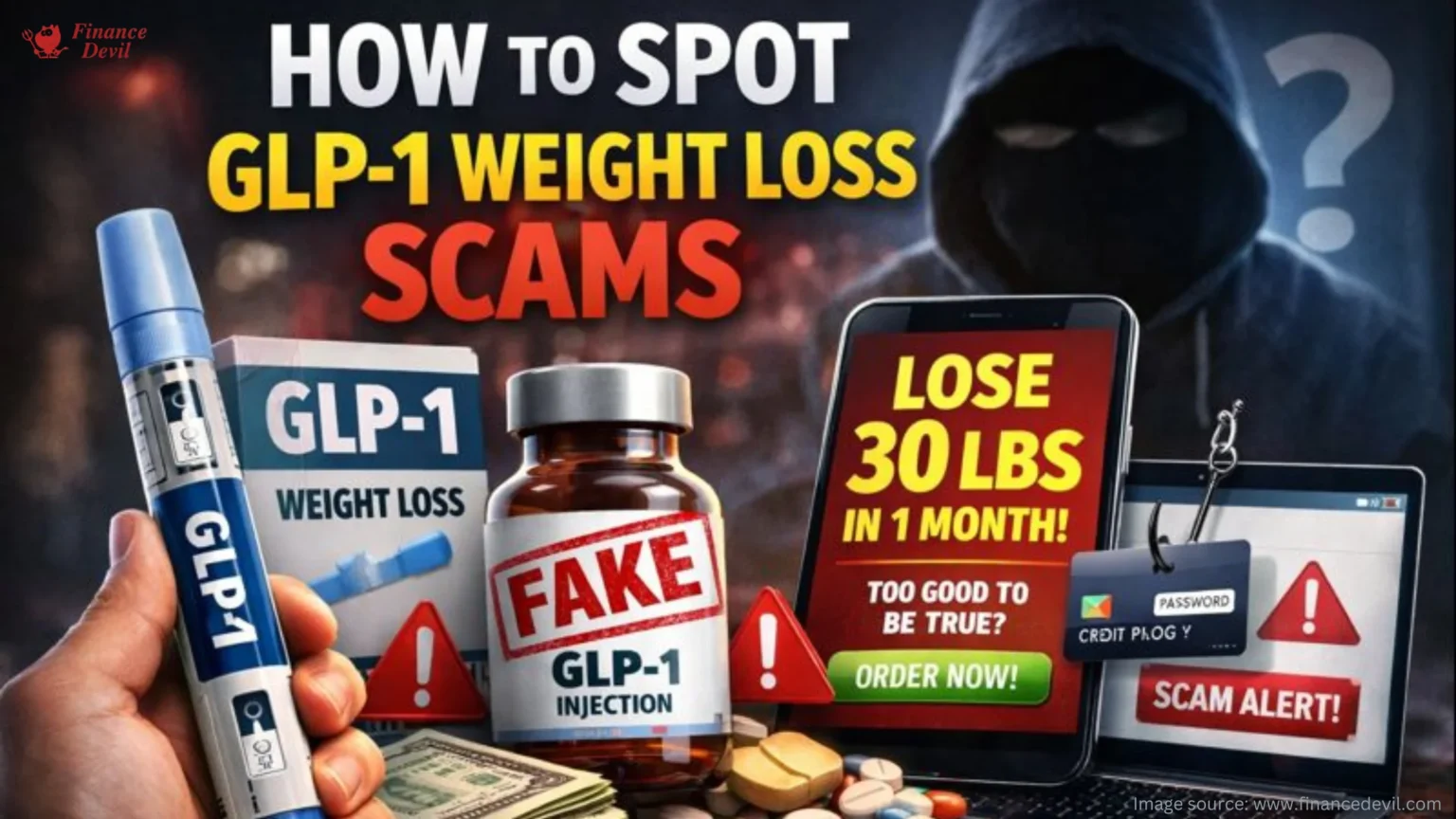
The explosive popularity of GLP-1 medications like Ozempic, Wegovy, and Mounjaro has created a perfect storm for scammers. As millions of Americans search for affordable access to these weight loss drugs, fraudsters are flooding the market with fake offers, counterfeit medications, and elaborate schemes designed to steal your money and personal information.
The Wisconsin Better Business Bureau reports a surge in GLP-1-related scams, with consumers losing hundreds, sometimes thousands, of dollars to fraudulent websites and fake pharmacies. Here’s what you need to know to protect yourself.
The Four Most Common GLP-1 Scams
1. AI-Generated Fake Endorsements
Scammers are using artificial intelligence to create convincing videos featuring celebrities, doctors, or trusted public figures promoting fake weight loss products. These deepfake videos can be remarkably realistic, showing what appears to be Oprah Winfrey, popular physicians, or other recognizable faces endorsing products that claim to be alternatives to GLP-1 injections.
In one reported case, a consumer saw what appeared to be a legitimate video endorsement and purchased a product called “Lipo Max” for over $300. Only later did they realize the entire video was AI-generated. When they requested a refund, their email bounced back; the company had vanished.
Red flags to watch for:
- Celebrity endorsements that seem too good to be true
- Videos that look slightly “off” or unnatural
- Products claiming to replace GLP-1 injections with pills, powders, or “tricks”
- No verifiable information about who’s actually behind the product
2. Phishing Texts, Emails, and Calls
You might receive an urgent message claiming you’re “pre-approved” or “eligible” for GLP-1 prescriptions at a discounted rate. These messages typically include links to fraudulent websites designed to harvest your personal and financial information.
The messages often create a sense of urgency: “Limited spots available!” or “Claim your eligibility within 24 hours!” This pressure tactic is designed to make you act quickly without doing your research.
What to do:

- Never click links in unsolicited texts or emails about medications
- Legitimate telehealth providers don’t reach out to you first; you contact them
- Delete suspicious messages immediately
- If you’re interested in a service, go directly to their official website rather than clicking links
3. Fake Online Pharmacies
These fraudulent websites advertise GLP-1 medications at prices far below market rate sometimes offering Ozempic or Wegovy for a fraction of the typical cost. The sites may look professional and legitimate, complete with prescription forms and payment portals.
One consumer searching for affordable medication found an online ad, paid a $32 “membership fee,” and entered their credit card information. They were immediately hit with multiple $670 charge attempts that continued every other day, even after attempting to cancel. Customer service was nonexistent, and the promised medication never arrived.
Warning signs:
- Prices significantly lower than established telehealth providers
- No requirement for a medical consultation or prescription
- Limited contact information (only a chat box, no phone number)
- Website created recently (check domain registration dates)
- Poor grammar or spelling errors on the site
- No physical address or licensed pharmacy information
4. The Phantom Shipment Scam
In this scheme, you place an order and make payment, but the medication never arrives. The website continues charging your card, provides vague or no tracking information, and makes excuses about delays. Customer support becomes impossible to reach, and cancellation requests are ignored.
These sites are designed to string you along just long enough to process multiple charges before you realize it’s a scam and contact your bank.
How to Verify Legitimate GLP-1 Providers
Not all online telehealth services are scams. Many legitimate providers offer safe, legal access to GLP-1 medications. Here’s how to tell the difference:
Check for Proper Licensing
Legitimate providers will clearly display:
- State medical licenses for their physicians
- Pharmacy licenses and NABP (National Association of Boards of Pharmacy) accreditation
- Physical addresses for their medical offices and pharmacies
You can verify pharmacy credentials at safe.pharmacy, the NABP’s verification tool for legitimate online pharmacies.
Require Real Medical Oversight
A legitimate service will:
- Conduct a thorough medical evaluation (questionnaire at minimum, often a video consultation)
- Review your medical history and current medications
- Require lab work if clinically necessary
- Have licensed healthcare providers available for questions
- Refuse to prescribe if you’re not a suitable candidate
If a website offers to sell you GLP-1 medications without any medical screening, it’s not legitimate and potentially dangerous.
Provide Transparent Pricing
Trustworthy telehealth providers clearly list:
- Consultation fees
- Monthly medication costs
- Any additional charges (membership fees, lab work, shipping)
- Refund and cancellation policies
Be wary of providers that hide pricing until after you’ve entered payment information.
Use FDA-Approved or Properly Compounded Medications
Legitimate providers offer either:
- Brand-name FDA-approved medications (Ozempic, Wegovy, Mounjaro, Zepbound, Saxenda)
- Compounded medications from licensed US pharmacies with clear disclosure that these are not FDA-approved
If a provider claims to offer “generic Ozempic” or similar, that’s a red flag; these medications don’t have generic versions available in the US.
Additional Safety Tips
Research the company thoroughly. Look for reviews on multiple platforms, check the Better Business Bureau, and search for complaints. Be skeptical of sites with only glowing five-star reviews; they may be fake.
Never share more information than necessary. A legitimate medical intake will ask about your health history, but you shouldn’t need to provide excessive personal details unrelated to your medical care.
Use a credit card, not a debit card. Credit cards offer better fraud protection and make it easier to dispute unauthorized charges.
Trust your instincts. If something feels off, whether it’s pressure tactics, prices that seem impossibly low, or evasive answers to your questions, walk away.
Report suspected scams. File reports with the Better Business Bureau’s Scam Tracker, the Federal Trade Commission (ReportFraud.ftc.gov), and your state attorney general’s office.
The Bottom Line
GLP-1 medications can be effective tools for weight loss when used appropriately under medical supervision. But the high cost and limited availability of these drugs have created opportunities for scammers to exploit people seeking affordable options.
If you’re considering GLP-1 treatment, take your time researching providers. Look for established telehealth companies with verifiable credentials, transparent pricing, and real medical oversight. The few extra minutes you spend doing due diligence could save you hundreds of dollars and protect your health.
Remember: if an offer seems too good to be true, whether it’s an impossibly low price, a celebrity endorsement, or a miracle alternative to injections it almost certainly is.