


If you’re tired of watching your electricity bill climb every year while feeling powerless to stop it, you’re not alone. In 2025, thousands of homeowners are taking control by installing solar panels, and the numbers finally make sense.
Here’s why solar might be the smartest upgrade you haven’t done yet.
You’ll Save Thousands (Yes, Really)
A properly sized solar system can cut your electricity bill by 50% to 100%, depending on where you live and how much energy you use. The average homeowner saves between $16,000 and $31,000 over 20 years after recovering installation costs.
In states like Connecticut and Texas, homeowners break even in just seven years. After that? Free electricity for another 18+ years.
The math is simple: If you’re paying $150 to $400 per month now, solar locks in a predictable cost while utility rates keep rising.
Lock In Today’s Energy Costs
Electricity rates have jumped from an average of 12.3 cents per kWh in 2017 to 16.6 cents today, a 35% increase in less than a decade. Experts predict rates will keep climbing due to aging infrastructure and increased demand.
Solar panels let you prepay for 25 years of energy at today’s rates. No more surprise bills. No more rate hikes. Just stable, predictable power costs.
Major Incentives Are Still Available (But Not Forever)
The federal solar tax credit covers 30% of your installation costs through the end of 2025. After that, it drops to 26% in 2033 and then 22% in 2034 before expiring entirely.


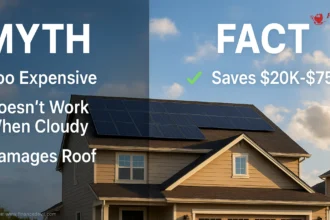
Translation: Installing now saves you thousands compared to waiting.
Many states and utilities also offer additional rebates:
- Arizona: Up to $1,000 in state credits
- Canada: Greener Homes Grant provides up to $5,000
- Texas: AEP offers rebates based on system output
These incentives dramatically reduce upfront costs, with some homeowners going solar for zero down.
Your Home Value Goes Up
Homes with solar panels sell for 4% to 8% more than comparable homes without them. A Zillow study found buyers are willing to pay a premium because they understand the long-term savings.
Solar isn’t just an expense; it’s an investment that pays you back when you sell.
Backup Power During Outages
Major power outages have increased significantly over the past decade. Winter storms, heatwaves, and aging infrastructure mean grid failures are becoming more common, not less.
Pairing solar with battery storage (like a Tesla Powerwall or Enphase IQ Battery) keeps your lights on, fridge running, and Wi-Fi connected when your neighbors are sitting in the dark.
Almost Zero Maintenance
Modern solar panels last 25 to 40 years and need virtually no maintenance, maybe an occasional cleaning and an annual checkup. No moving parts means nothing to break.
Most systems come with 25-year warranties, so you’re covered if anything does go wrong.
It’s Easier Than You Think
The process is straightforward:
- Get quotes from certified installers (compare at least three)
- Choose your equipment and financing
- The installer handles permits and installation (usually 1-3 days)
- The system goes live after utility approval
Many homeowners finance with low-interest loans, keeping monthly payments lower than their old utility bills. You’re cash-flow positive from day one.
You’re Helping the Planet
Every solar home reduces CO₂ emissions by 3 to 4 tons per year, equivalent to planting over 100 trees annually. It’s one of the most impactful personal actions you can take against climate change.
What You Actually Save With Solar
Let’s talk numbers. The average American household pays $147/month for electricity. Over 25 years, that’s $44,100, and rates keep rising.
With solar, you could:
- Cut your electric bill by 50–100%
- Lock in energy costs for 25+ years
- Add $15,000–$25,000 to your home’s value
- Break even in 7–10 years, then enjoy free power
Many homeowners in sunny states like Arizona, Texas, and California see even faster payback, sometimes in just 5–7 years.
How to Claim Your Solar Tax Credit (The Easy Version)
You don’t need an accountant. Here’s the process:
- Install your system by December 31, 2025 – Your solar company handles permits and installation
- Save your paperwork – Keep invoices showing your total system cost
- File IRS Form 5695 – This one-page form calculates your credit (most tax software walks you through it)
- Reduce your tax bill – The credit comes off what you owe, dollar-for-dollar
Important: You must own your system to qualify. Solar leases and rental agreements don’t count. Cash purchases and solar loans both work.
Stack State Incentives for Even Bigger Savings
The federal credit is just the start. Many states and utilities offer additional rebates:
- Arizona: $1,000 state tax credit + no sales tax on equipment
- Texas: Property tax exemption + utility rebates up to $2,500
- California: Property tax exemption (solar adds home value without raising taxes)
- Connecticut: Combined savings can reach 40% of system costs
Check the Database of State Incentives for Renewables & Efficiency (DSIRE) for programs in your area. These local incentives can shave thousands more off your final cost.
What About When the Power Goes Out?
Here’s where solar gets even smarter: add battery storage.
Systems like the Tesla Powerwall or Enphase IQ Battery store excess solar energy for nighttime use or outages. Battery storage also qualifies for the 30% federal credit.
| Feature | Grid Only | Solar (No Battery) | Solar + Battery |
| Monthly Bill | $147 avg | Save 50-100% | Save 50-100% |
| Power During Outages | No | No | Yes |
| Protection from Rate Hikes | No | Yes | Yes |
| Qualifies for Tax Credit | No | Yes | Yes |
Yes, batteries add $10,000–$15,000 to your upfront cost. But with the tax credit covering 30%, you’re looking at $7,000–$10,500 net, and you gain true energy independence.
Is Your Home Ready for Solar?
Most homes are great candidates if you have:
- At least 4 hours of sun exposure daily
- A roof in decent condition (15+ years of life left)
- Monthly electric bills over $100
- Homeownership (renters can explore community solar instead)
Not sure? A quick site assessment from a certified installer will tell you exactly what your home can produce and save.
Next Steps: See Your Personalized Savings
Every home is different. Your exact savings depend on your roof, energy usage, local utility rates, and available incentives.
The Bottom Line
Solar makes sense if you:
- Own your home
- Pay more than $100/month for electricity
- Get at least four hours of daily sun exposure
- Want protection from rising energy costs
With incentives at their peak and technology better than ever, 2025 is the year to make your move.
Ready to see how much you could save? Get personalized quotes from certified installers in your area. Compare pricing, equipment, and warranties, all at no cost. Most homeowners are surprised to learn solar is more affordable than they thought.
This article contains information about solar financing options and installer recommendations. Always compare multiple quotes and verify incentive availability in your area before making a decision.
In another related article, 5 Signs It’s Time to Switch to Solar (and How to Claim Your Tax Credit)