

Sixty percent of Gen Z would rather have a great life today than extra money sitting in the bank tomorrow. That sounds freeing, until you realize 34 percent of them have zero emergency savings to catch them when life throws a curveball.
“Soft saving” is everywhere on TikTok right now, and it is easy to see the appeal. Instead of grinding toward early retirement like the FIRE crowd, you save what feels comfortable and spend the rest on concerts, trips, and little treats. The vibe is real, but so is the price tag when an unexpected bill shows up and the cushion is not there.
| QUICK WINS SUMMARYTotal potential protection: A $1,000 emergency floor in under 12 monthsTime investment: 5 minutes to automateDifficulty level: Beginner-friendlyBest for: Gen Z and anyone who wants to enjoy life now without a financial hangover later |
1. The Trend, Decoded
How it works: Soft saving swaps rigid percentages and aggressive investing for a looser, feel-good approach to money. You save what you comfortably can instead of a fixed target, and you prioritize present-day experiences over a padded brokerage account.
Real example: A 2026 Bank of America study found 52 percent of Gen Z buy themselves a little treat at least once a week, and 59 percent of that group admits it tips straight into overspending.
Estimated impact: A 2025 Intuit survey found 60 percent of Gen Z would rather have a better quality of life than extra money in the bank.
Action step: Give the trend a name and a limit. Decide your treat budget for the month in dollars, not vibes, so soft saving stays a choice instead of a spiral.
2. The Emergency Fund Reality Check
How it works: While Gen Z is choosing experiences, the actual safety net underneath them is thin. Empower’s 2026 data puts the median Gen Z emergency fund at just $400.
Real example: Bankrate’s 2026 Annual Emergency Savings Report found 34 percent of Gen Z has no emergency savings at all, more than double the 16 percent of baby boomers in the same boat.
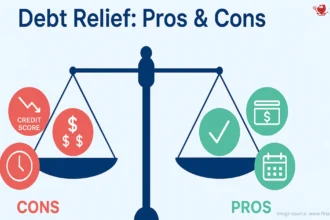


Estimated impact: A separate 2026 analysis found 40 percent of Gen Z cannot cover a single $400 surprise expense from savings.
Action step: Open a high-yield savings account today and automate a transfer, even $25 per paycheck, so the fund grows without you having to think about it.
3. What This Is Really Costing Them
How it works: When the emergency fund is thin, emergencies start eating into whatever cash does exist, including money meant for something else.
Real example: Bankrate found Gen Z and millennials who dipped into emergency savings in the past year were at least twice as likely as older generations to use that money for non-essentials. Specifically, 27 percent of Gen Z withdrawals went toward vacations or discretionary shopping, compared to just 9 percent for baby boomers.
Estimated impact: That is roughly a 3x gap between generations in how often the emergency fund quietly becomes the vacation fund, which means the same $400 gap has to be closed twice.
Action step: Split your savings into two labeled buckets, one for true emergencies and one for planned fun, so a concert ticket never accidentally borrows from a car repair fund.
4. The Fix That Keeps the Fun
How it works: You do not have to choose between soft saving and financial security. The move is to soft save on purpose, with a floor underneath it.
Real example: Financial experts recommend starting Gen Z savers at a modest $1,000 emergency fund goal before expanding to three to six months of expenses, a target that is achievable even on a starter salary.
Estimated impact: Saving just $100 a month gets a new saver to that first $1,000 milestone in under a year, while still leaving room for the little treats.
Action step: Set an automatic transfer for the day after payday, before the little treat temptation hits your feed.
Soft Saving vs. FIRE vs. Structured Soft Saving
| Approach | Savings Rate | Best For | Risk Level |
|---|---|---|---|
| Soft Saving | Flexible, whatever feels comfortable | Enjoying life now while building slowly | High if unstructured |
| FIRE Method | Aggressive, 40 to 70% of income | Early retirement seekers | Low financially, high burnout risk |
| Structured Soft Saving (NMF Method) | Automated 10 to 20% with a $1,000 floor | Gen Z who wants both security and fun | Low |
| THE 30-DAY BUFFER CHALLENGEFor the next 30 days, automate one $25 to $50 transfer per paycheck into a labeled “Emergencies Only” account before you spend a single dollar on treats.Track your progress and see how close you get to that first $1,000 milestone.Which milestone will you hit first, $500 or $1,000? Tag a friend who needs this challenge too. |
Frequently Asked Questions
Is soft saving actually a bad thing?
Not inherently. It becomes risky only when there is no floor underneath it, meaning zero emergency savings to fall back on.
How much should I have saved before I start soft saving?
Most experts suggest a starter goal of $1,000, then building toward three to six months of expenses over time.
Do I need a special app for this?
No, but a high-yield savings account with automatic transfers makes the habit stick without extra effort.
How is soft saving different from FIRE?
FIRE aggressively saves 40 to 70 percent of income to retire early. Soft saving flexes the savings rate around present-day enjoyment instead.
How fast can I build a real cushion?
Saving $100 a month reaches the first $1,000 milestone in under a year, even on an entry-level income.
| YOUR NEXT MOVEReady to soft save without the financial hangover? Compare the top high-yield savings accounts here [AFFILIATE LINK PLACEHOLDER] and get your automatic “Emergencies Only” transfer set up in the next five minutes. |
More From New Money Fast
- Emergency Fund From Zero: How to Start When You Have $0 Saved
- 8 HYSA Accounts Paying Over 4.5% APY
- Bare Minimum Budgeting: The Zero-Effort Money Strategy Going Viral in 2026
Sources
- Bank of America, 2026 study on Gen Z spending habits, via SoFi
- Intuit, 2025 Prosperity Index survey on Gen Z financial priorities
- ABC News, Move over FIRE method: Why Gen Z is embracing soft saving
- Bankrate, 2026 Annual Emergency Savings Report
- Empower, The Safety Net: Americans Have $500 in Emergency Savings
- Forbes, Median Emergency Savings By Age In 2026
- Remitly, US Emergency Savings Fund Statistics, Updated for 2026
- EMARKETER, Gen Z is the generation least likely to have a financial cushion
- Journey Advisory Group, Average Savings by Age: 2026 Statistics
- Fourmio, Gen Z finances: how Generation Z manages money